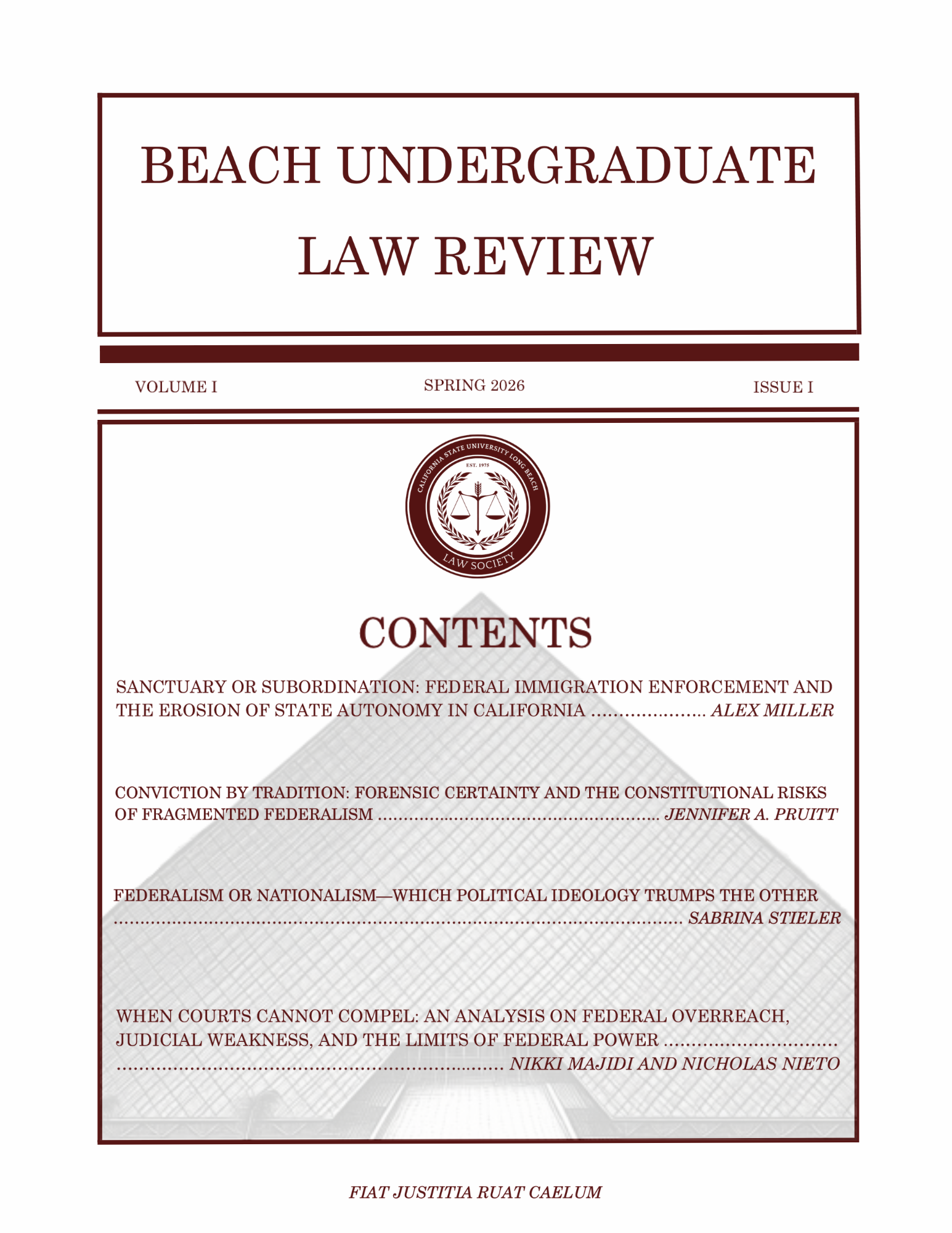
Beach Undergraduate Law Review
Volume 1
Spring 2026
Browse our Notes
Meet the Executive Board
-
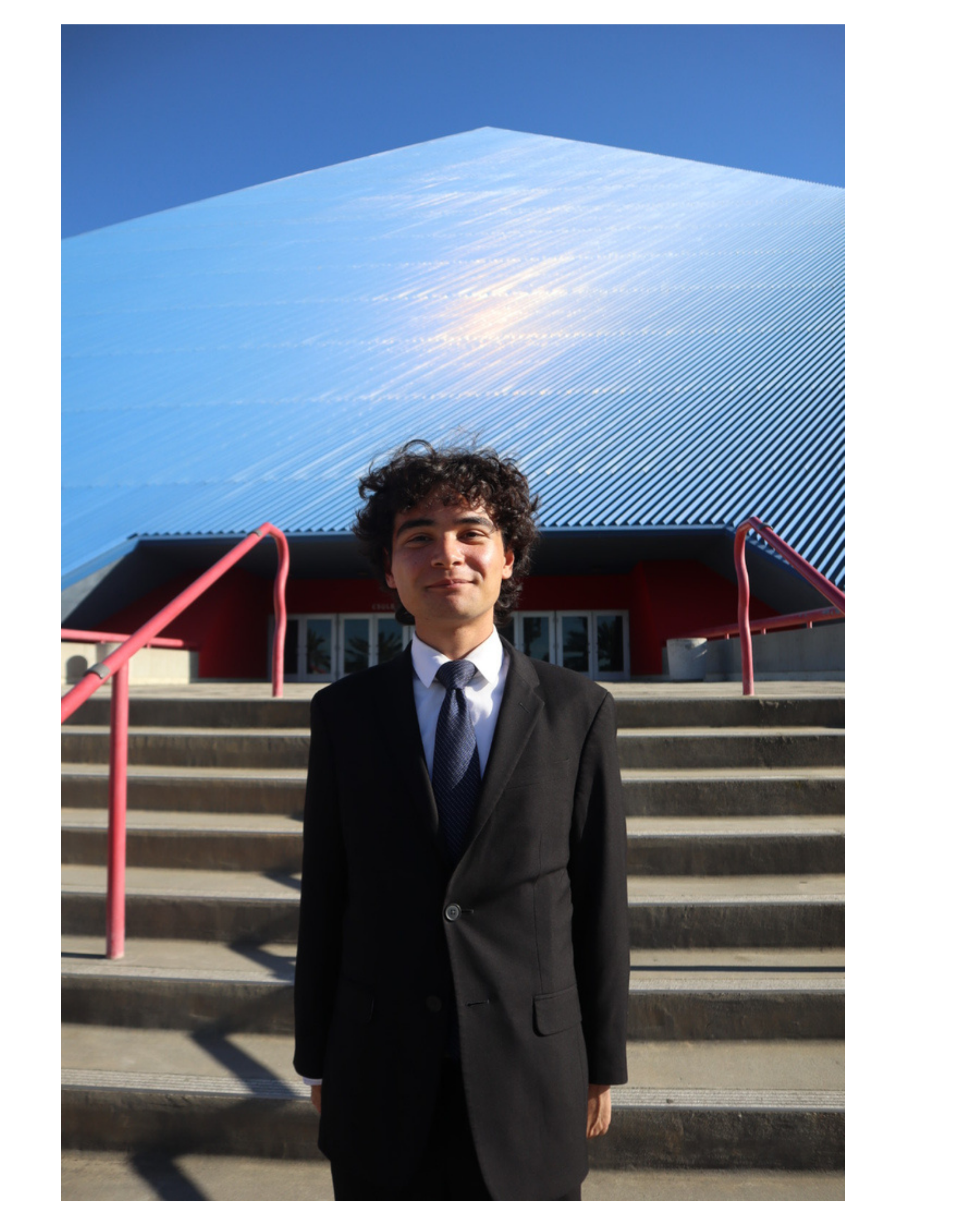
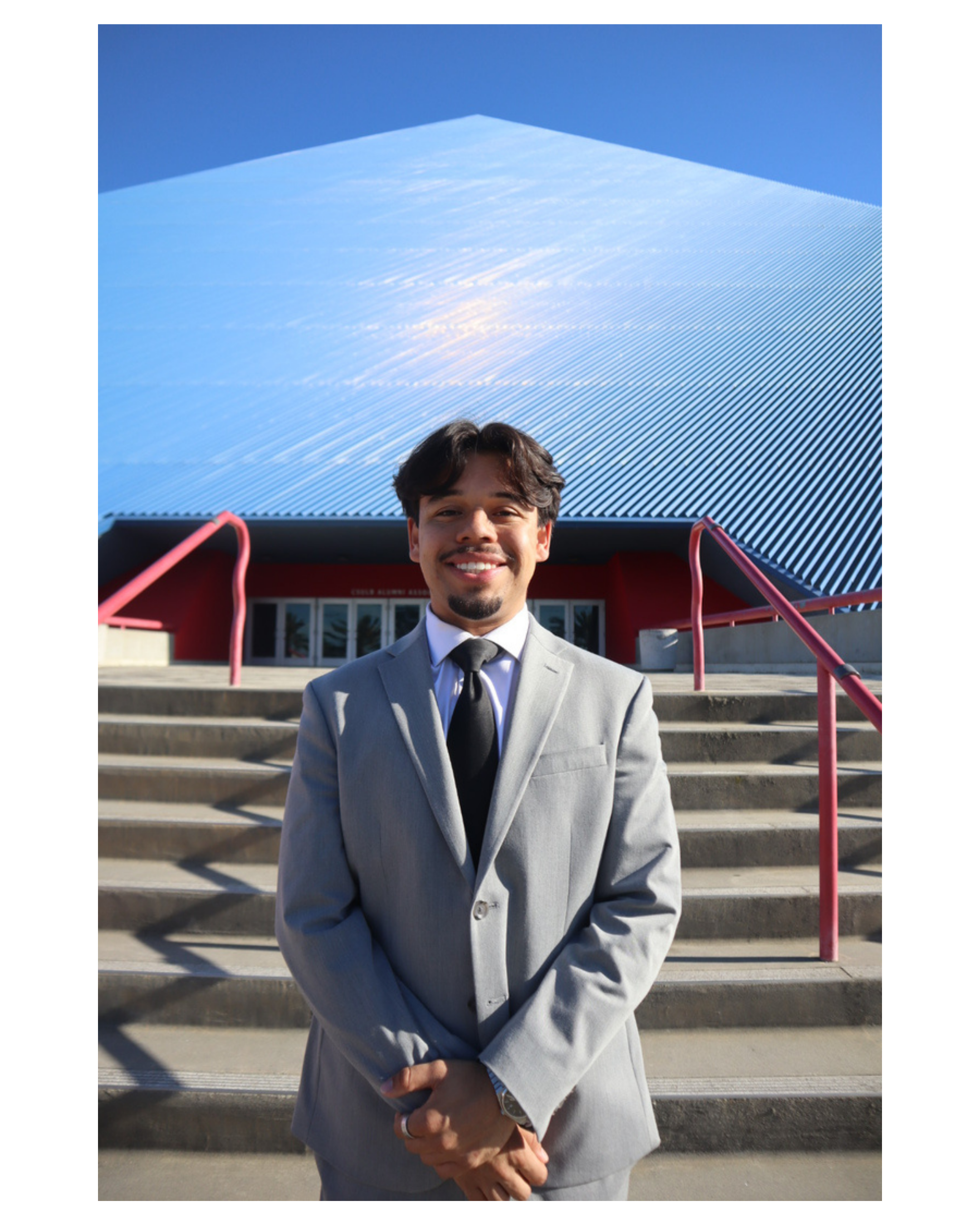
![Young man smiling outdoors in a grey suit, standing in front of the CSULB Pyramid under a clear blue sky.]()
Nicholas Nieto
Editor-in-Chief | Founder
Nicholas is a third-year Political Science major, and pursuing the Legal Studies certificate here at California State University, Long Beach. In the past he interned the Senator Lena Gonzalez’s office as a Legislative Aid Intern, then furthered his interest in public policy as it pertains to law through completing an internship in the Gang Unit of the Orange County District Attorney’s office. This past year, he served as President of Law Society, where he created the Beach Mock Trial team, and founded the Beach Undergraduate Law Review. He wishes to pursue a career in either prosecution, or entertainment/sports law, and plans on applying to law school after he completes his time at CSULB. He would like to thank all the editors, authors and faculty who were involved in making the inaugural publication come to fruition.
nicholasnieto13@gmail.com
-
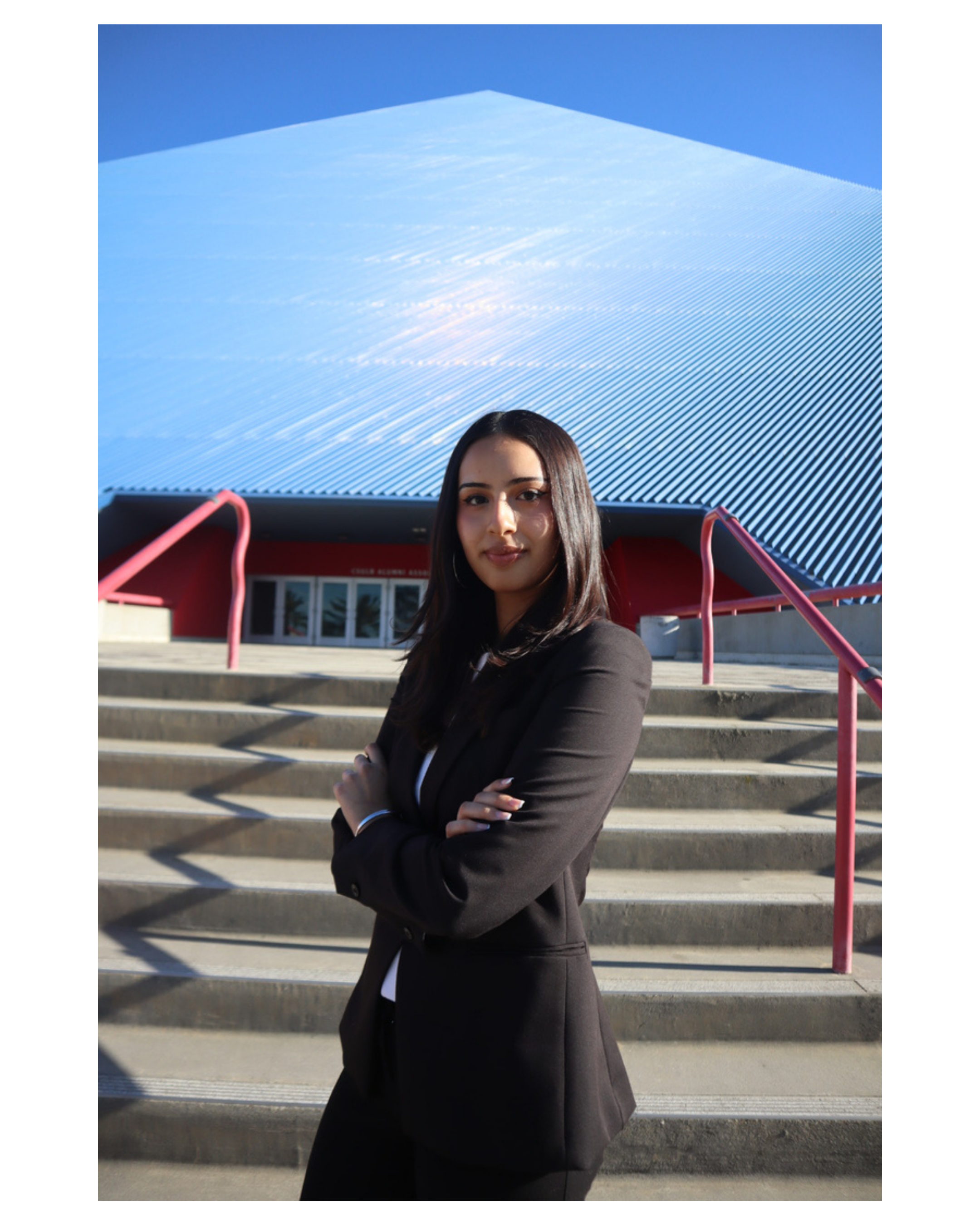
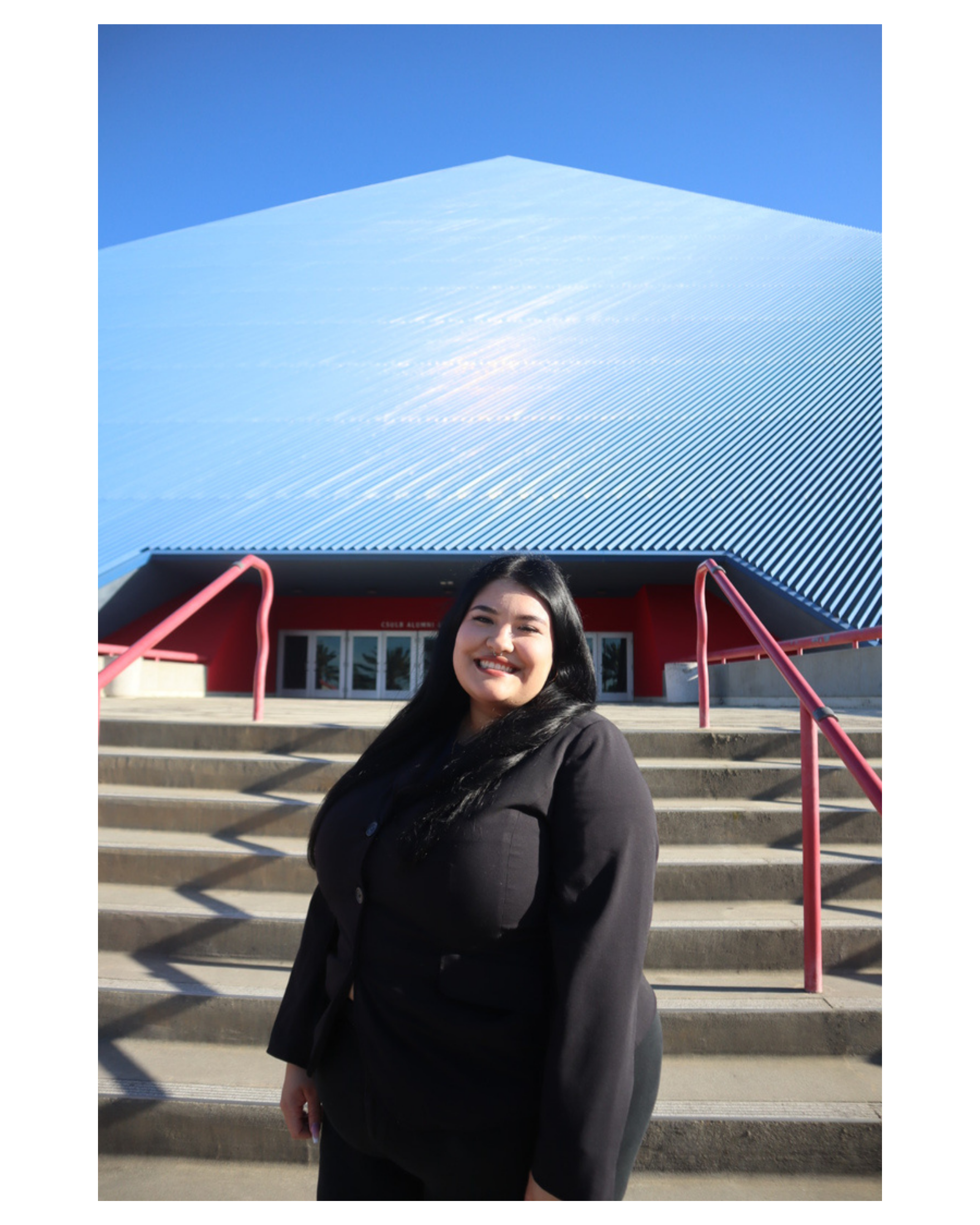
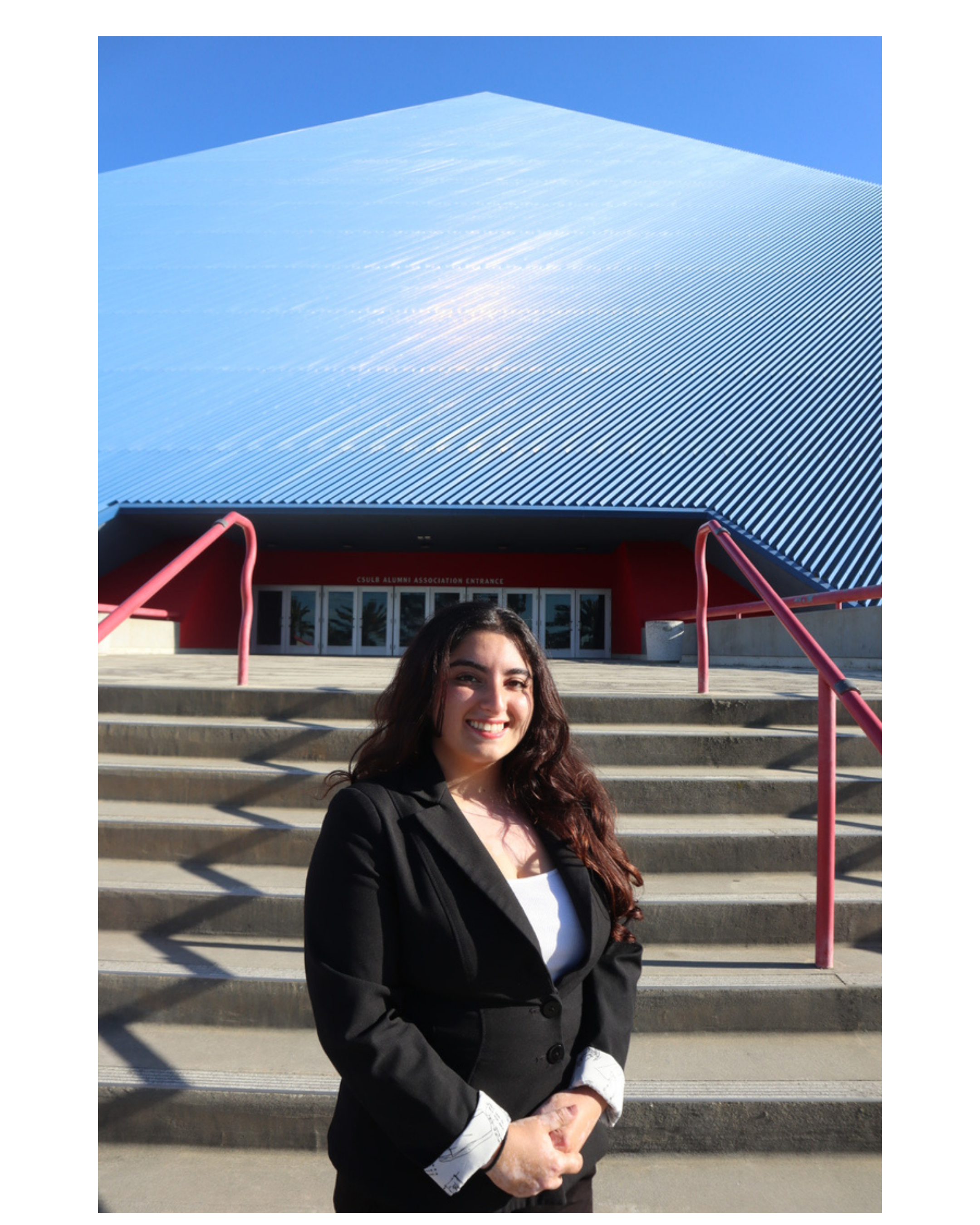
![Young woman with long dark hair smiling, dressed in a black blazer and white shirt with patterned cuffs, standing on steps in front of a modern building with a large curved, metallic roof and red stair railings, sunny day.]()
Nikki Majidi
Senior Editor | Founder
Nikki Majidi is a fourth year Political Science major, with a minor in Information Systems. Previous to joining the Beach Undergraduate Law Review, she served as the ASI student body President for CSULB, taking on groundbreaking initiatives unique to the CSU system. She is currently interning for Congressman Robert Garcia, and will be applying for law school in the upcoming cycle.nikkimajidi@gmail.com
-
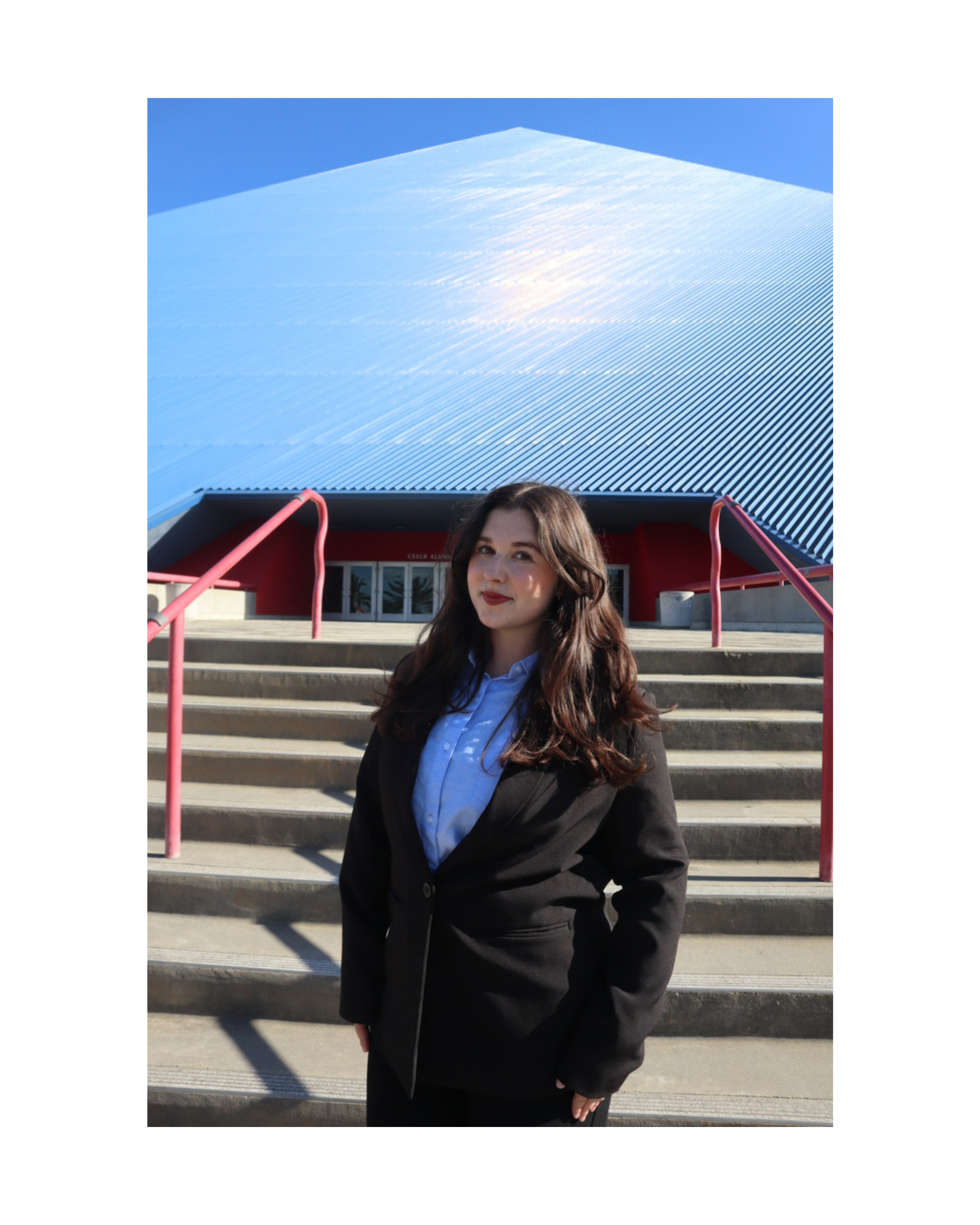
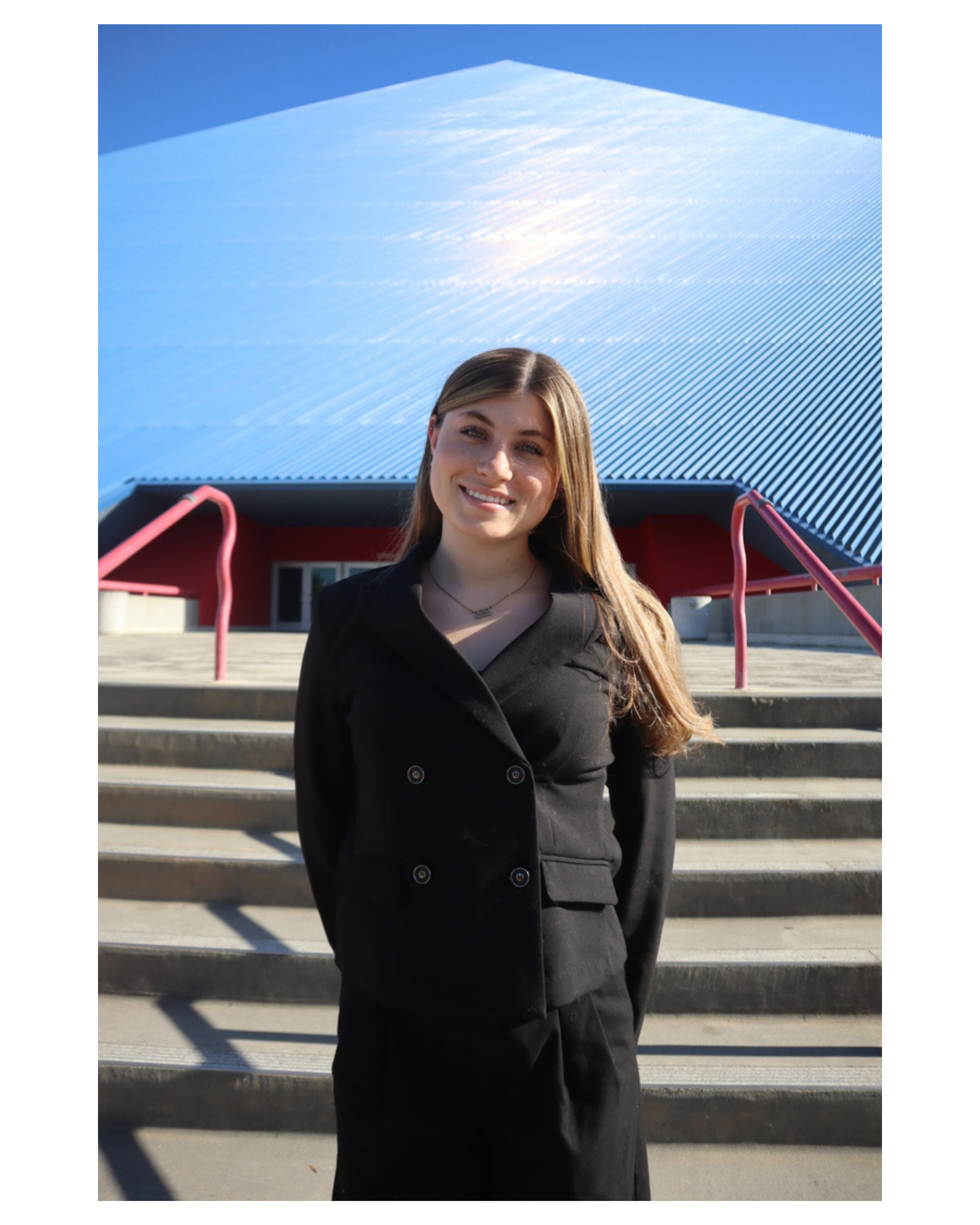
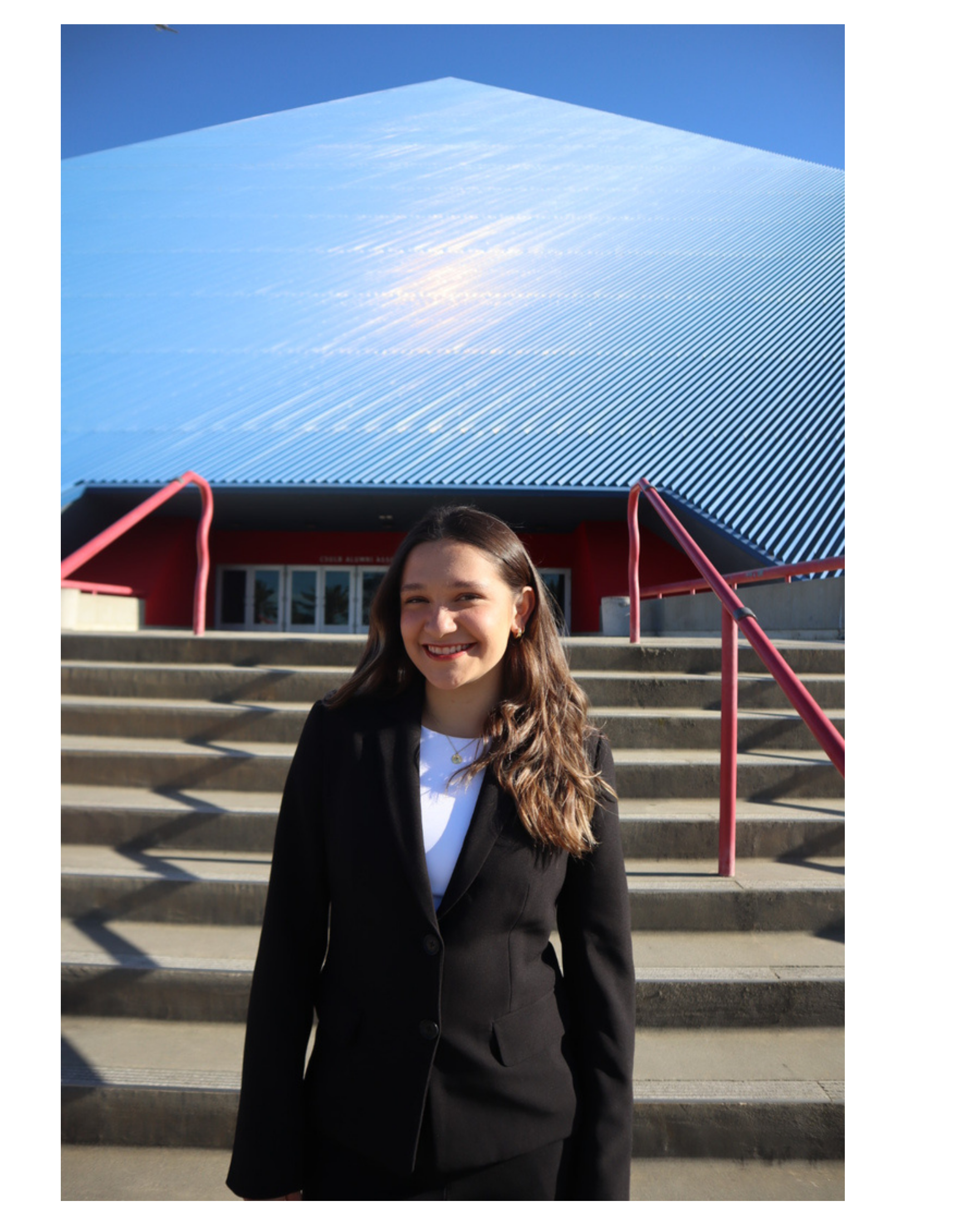
![A young woman with long brown hair smiling at the camera, standing on steps in front of a building with a geometric metal facade and blue sky.]()
Claire Castillo
Lead Editor
Claire Castillo is a fourth year Political Science major, and served as a Lead Editor this past year. She was recently part of the Beach Mock Trial team where she contributed her effort as the prosecution attorney. She also recently wrapped up an internship with the Los Angeles District Attorney’s office, and plans to attend law school after she graduates.
anaisc1010@icloud.com
-
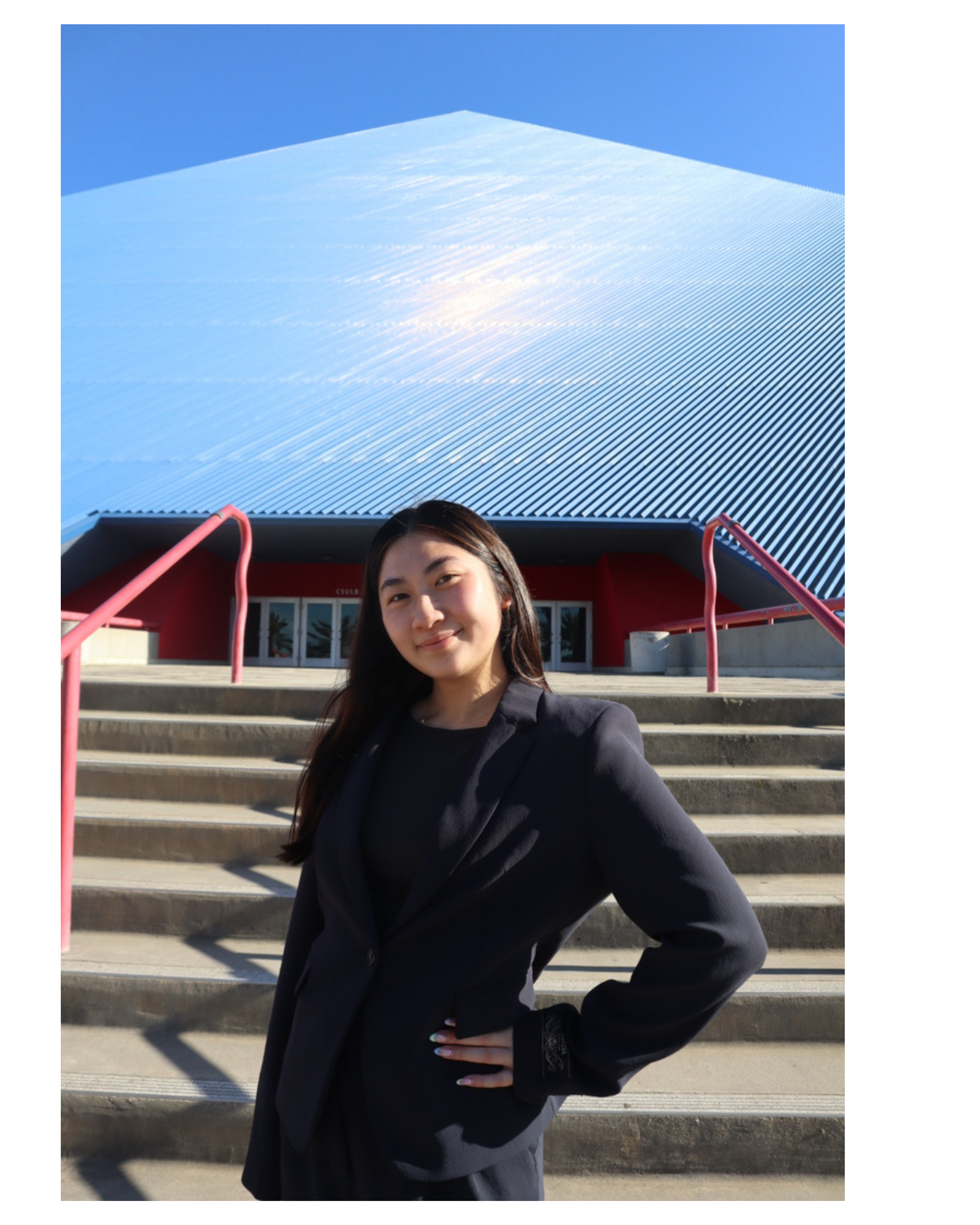
![A woman with long dark hair wearing a black blazer standing on outdoor steps in front of a building with a modern roof, metal stairs with pink railings, and large glass doors. The sky is clear and blue.]()
Thu Chung
Lead Editor
Thu Chung is a third-year undergraduate student at CSULB, majoring in Political Science and pursuing a legal studies certificate. She interned with the Los Angeles JusticeCorps program in Fall 2025-Spring 2026, where she provided legal education to community members in the self-help center of Governor George Deukmejian Courthouse. Prior to this, Thu was a records specialist at a personal injury law firm. In Fall 2026, Thu will be a judicial intern at Governor George Deukmejian Courthouse in which she will gain first-hand experiences in the courtroom. Upon graduation, Thu plans to attend law school and become an attorney. Outside of academics, Thu enjoys listening to music and visiting new cafes.thuzhong05@gmail.com
Meet the Editors
-
![A young man in a black suit and tie stands on external steps in front of a modern building with metallic siding. The sky is clear and blue.]()
David Binoya
Text Editor
davidbinoya829@gmail.com
-
![A woman with dark hair, wearing a black jacket and a white dress with floral embroidery, stands on steps in front of a modern building with a metallic roof and red walls, under a clear blue sky.]()
Elaine Lam
Text Editor
elam84638@gmail.com
-
![A woman with long brown hair, wearing a black blazer, white shirt, and dark pants, standing on outdoor stairs in front of a modern building with a gray and blue facade. The sky is clear and blue.]()
Megan Lobl
Text Editor
meganlobl2@gmail.com
-
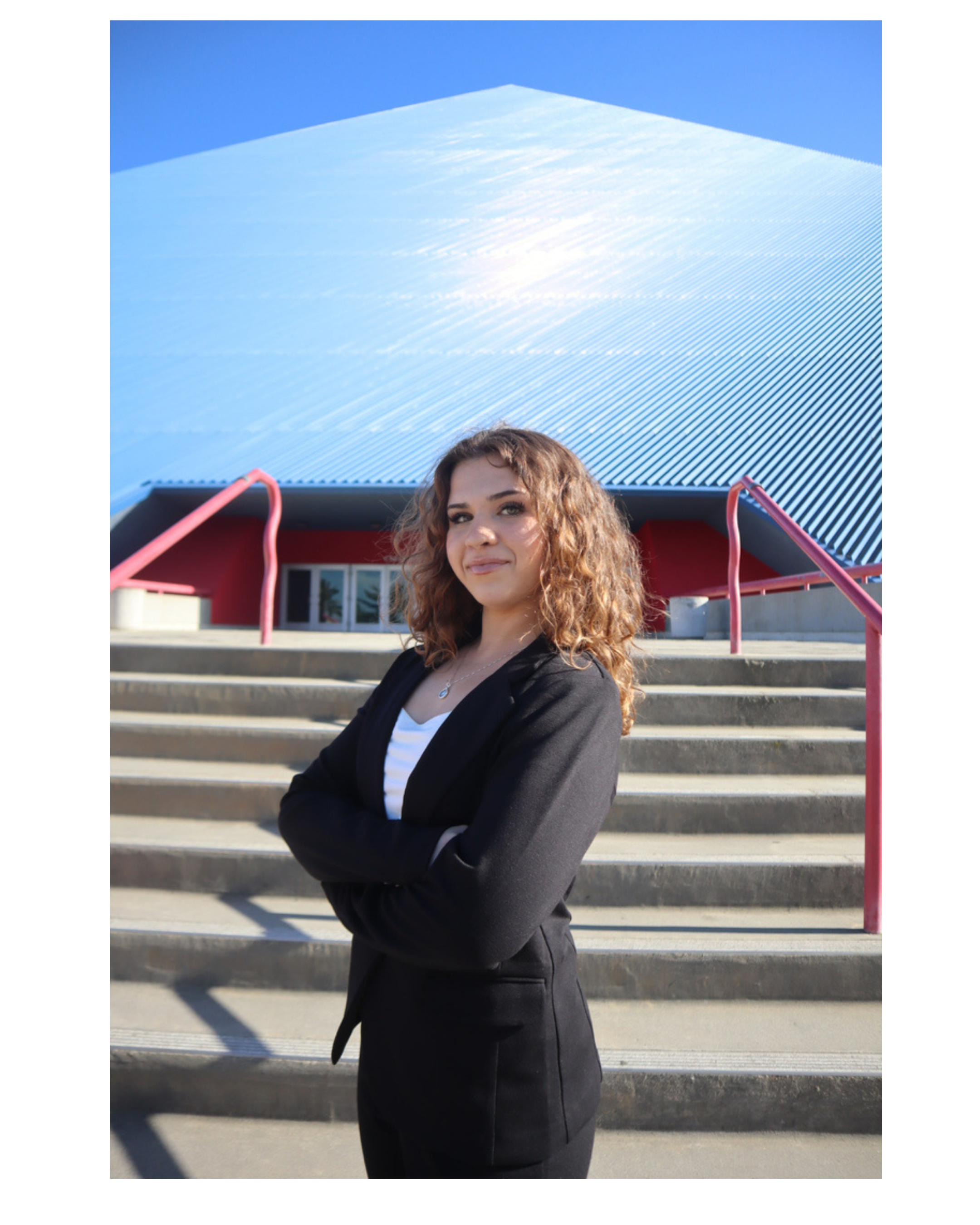
![Young woman with curly brown hair standing outdoors on steps, wearing a black blazer and smiling, with the LBSU Pyramid and red accents in the background.]()
Sabrina Stieler
Text Editor
sabrinajstieler@gmail.com
-
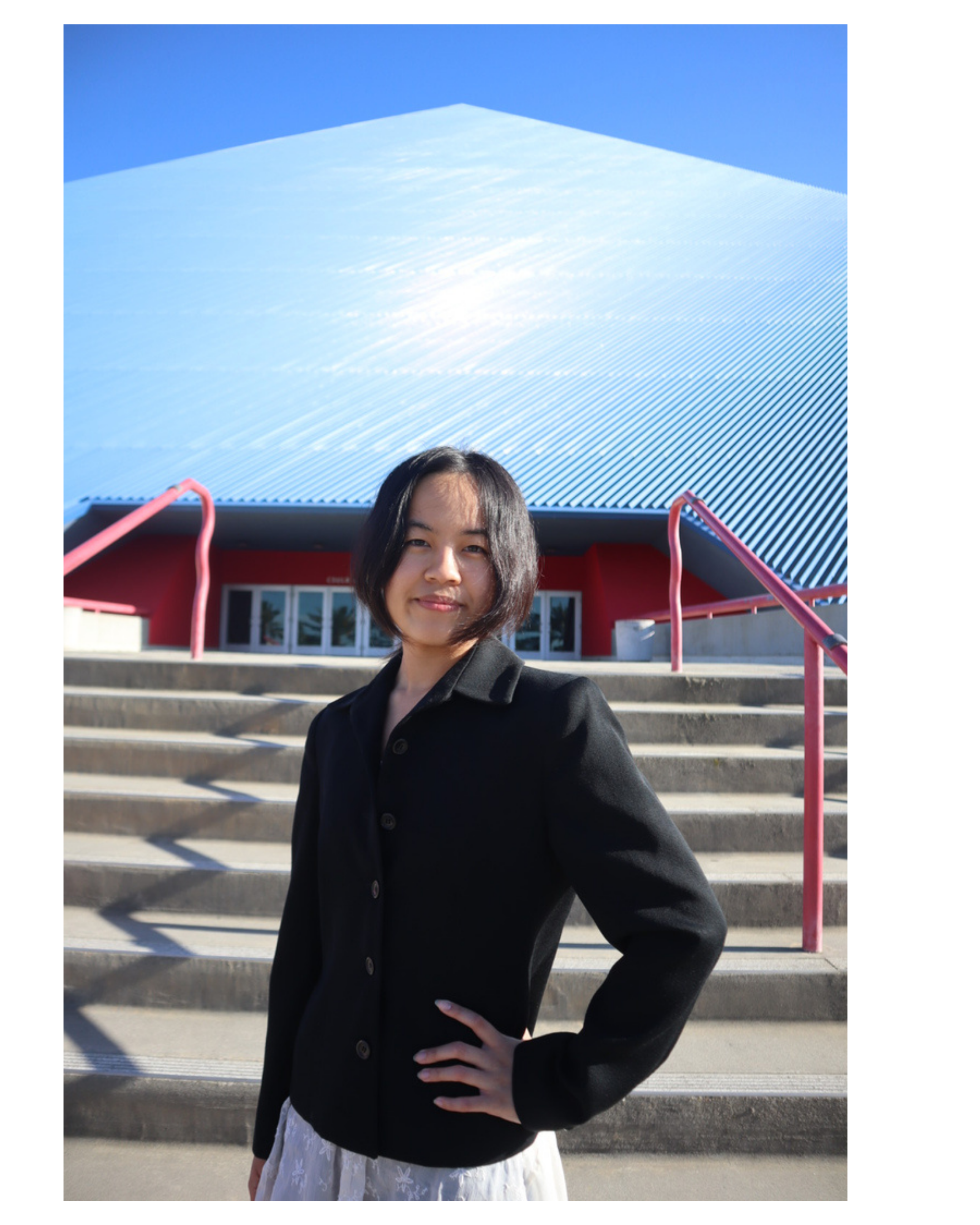
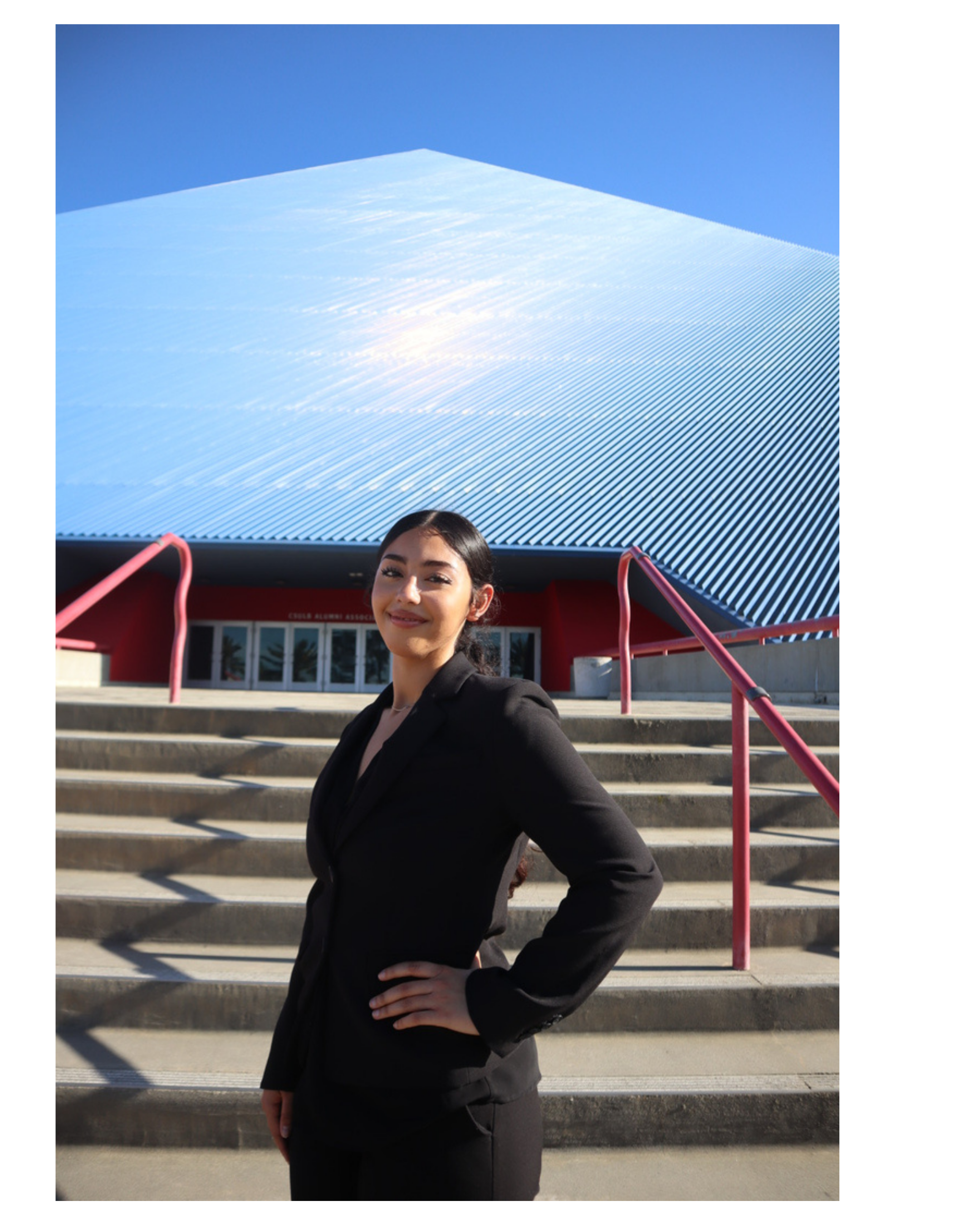
![A woman in a black blazer and skirt stands outdoors on steps, with a modern building with a blue ridged roof behind her. She is smiling and has one hand on her hip.]()
Casey Aghili
Note Editor
caseyaghili@gmail.com
-
![A young woman with long dark hair wearing a black blazer standing outdoors on concrete stairs with red railings, with the Long Beach State Pyramid in the background.]()
Marisol Carlos Herrero
Note Editor
mcarlos2022@gmail.com
-
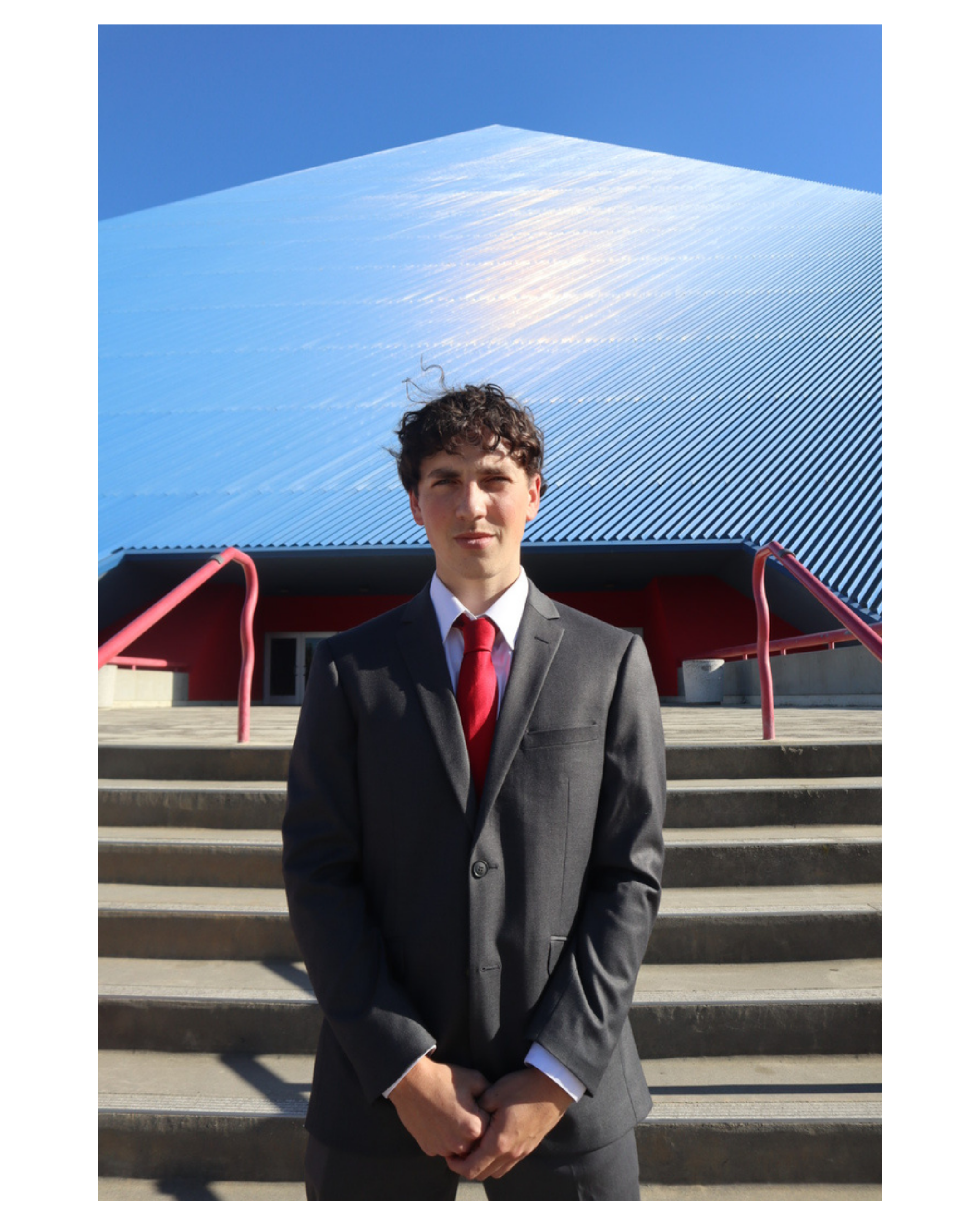
![A young man with curly hair dressed in a dark suit, white shirt, and red tie standing on steps outside a building with the Long Beach Pyramid, holding his hands in front of him and looking into the camera.]()
Trevor Ponsen
Note Editor
trevorponsen@gmail.com
-
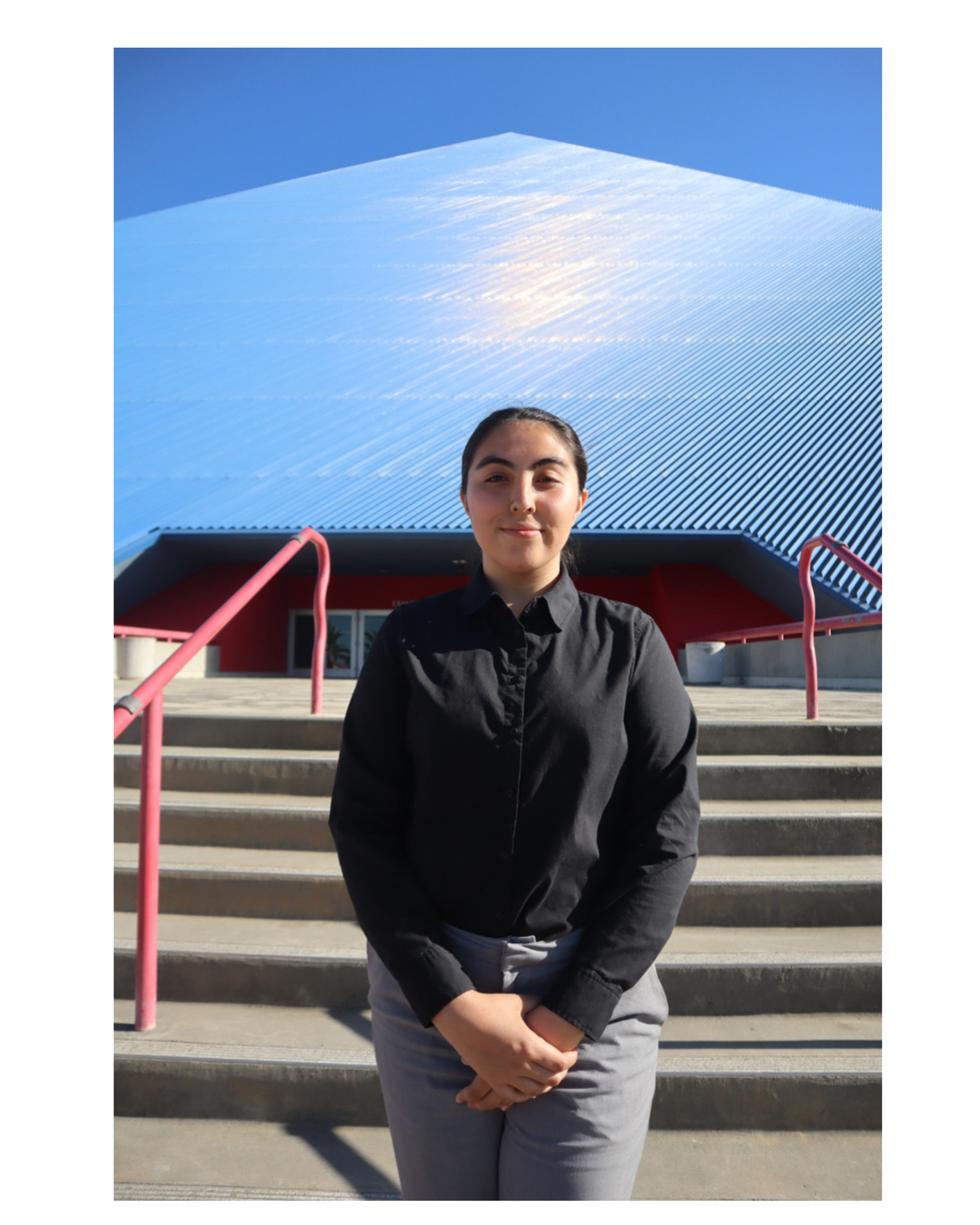
![A person with dark hair and light skin standing on stairs outside a building with modern architecture, wearing a black shirt and gray pants, under a clear blue sky.]()
Valeria Cardenas
Note Editor
cardenasvaleria@gmail.com
-
![A young woman with long dark hair smiling and standing in front of a building with steps and a metallic, geometric roof structure under a clear blue sky.]()
Jacqueline Lopez
Layout Editor
j4cquelinelopez@gmail.com
-
![A smiling young woman with long blonde hair standing outside in front of stairs, with a modern building with a blue sky in the background.]()
Jenelle Waskewics
Layout Editor
jenellewaskewics1@gmail.com